
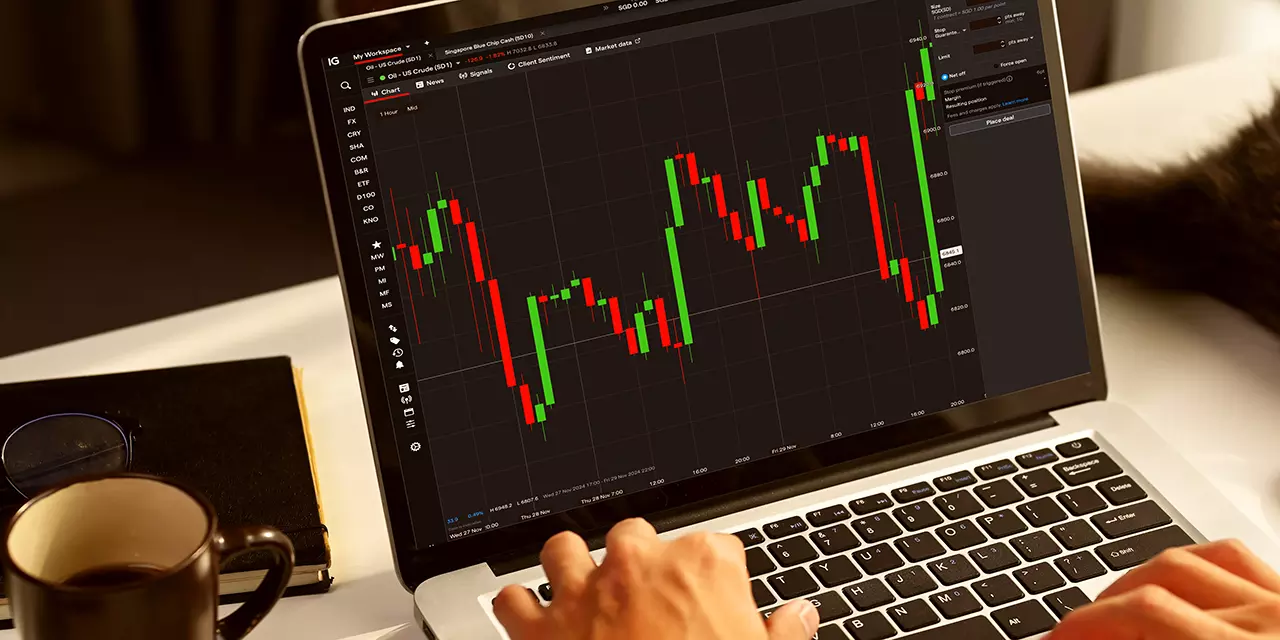
Introduction to what is leverage trading
Traders can use leverage trading to manage extensive financial market positions with minimal financial resources. Leverage enables you to make larger trades through a broker loan which lets you access more funds than your current investments. This concept is widely used in Forex trading, stock trading, and commodities markets.
Using 1:100 leverage lets you manage $100 in the market for every $1 you invest. Your profit potential increases with this method, but your loss potential also grows. Therefore, understanding what is leverage trading how leverage works is essential for anyone interested in trading.
The process of leverage trading operates in Forex markets through various methods.
Forex trading enables traders to maximize their currency exposure through the use of leverage which operates as a vital trading mechanism. When you execute a trade, you must provide a margin which represents a fraction of the full trade amount. The broker takes care of the remaining expenses.
To trade $10,000 worth of currency at 1:100 leverage, you must pay $100 in margin according to your broker's requirements. Traders who have restricted funds can use this system to execute bigger trades.
Understanding forex trading for beginners
The process of forex trading for beginners starts with the essential knowledge of currency trading. The Forex market serves as the largest financial market worldwide because it handles trillions of dollars in daily trading activity.
The first step for beginners requires them to learn about currency pair functionality. The Forex market requires every trade to include two currencies, which traders use to conduct their transactions. The base currency represents the first currency in a currency pair, while the quote currency functions as the second currency. When you buy a pair, you are speculating that the base currency will increase in value against the quote currency.
Key concepts in forex trading for beginners
The essential concepts of forex trading for beginners must be understood before starting the practice. The basic components of this system involve pips, lots, spreads, and margin. A pip represents the smallest price movement in a currency pair, while a lot refers to the size of your trade.
The spread is the difference between the buying and selling price of a currency pair, which is how brokers make money. The amount needed to establish a leveraged position operates as margin, which brokers use to calculate their requirements.
The basic Forex market concepts which beginners learn, enable them to comprehend market operations and the process of executing their trades.
Advantages and risks of what is leverage trading
The primary benefit of leverage trading enables traders to achieve maximum profits while requiring them to invest only a small amount of their capital. The market enables traders to open bigger positions which allow them to profit from minor price changes. The Forex market especially benefits from this feature because its price changes typically occur in small increments.
The potential dangers of the situation present dangers that match its advantages. Traders who use leverage without implementing proper risk management techniques will experience total investment loss because leverage causes their earnings and losses to increase. Beginners need to use low leverage until they acquire trading experience before they should increase their trading capacity.
Risk management in forex trading for beginners
Forex trading success for beginners relies on effective risk management because it serves as the fundamental requirement. Traders should always set stop-loss orders to limit potential losses and avoid risking too much capital on a single trade.
The common advice for beginners permits them to risk only a small percentage of their trading account for every trade they make. The strategy enables traders to protect their funds which lets them continue trading after experiencing initial losses.
Choosing a strategy in what is leverage trading
A trader needs to create a trading strategy which will guide their activities in all their leverage trading operations. The strategy enables traders to determine their entry and exit points for trades while choosing their risk levels and handling their trading activities.
Traders use trend following methods and breakout trading methods and scalping techniques as their main trading methods. The two methods require different levels of risk and time dedication. Beginners should start with a simple strategy and gradually improve their skills as they gain experience.
Backtesting and demo account practice provide traders with two effective methods to evaluate their strategies while avoiding actual money loss. This process helps traders develop their confidence while they perfect their trading methods before engaging in live trading.
These platforms enable users to retrieve current market information and complete their trading activities in an efficient manner. The choice of a trustworthy broker holds equal significance because it guarantees safe financial operations together with impartial trading practices.
Conclusion
The financial market entry process requires people to understand leverage trading and learn basic forex trading skills. Traders can boost their trading abilities through leverage but they need to handle it with caution because of the dangers that come with it.
Beginners need to study the basic concepts of trading and execute risk management techniques while they build their effective trading system. The Forex market provides excellent business prospects which require traders to possess both persistence and discipline and ongoing educational development.
Traders can develop their Forex market abilities through the process of acquiring basic knowledge and building up their practical experience.